
Pix at the heart of a European project to harmonise digital skills assessment in schools
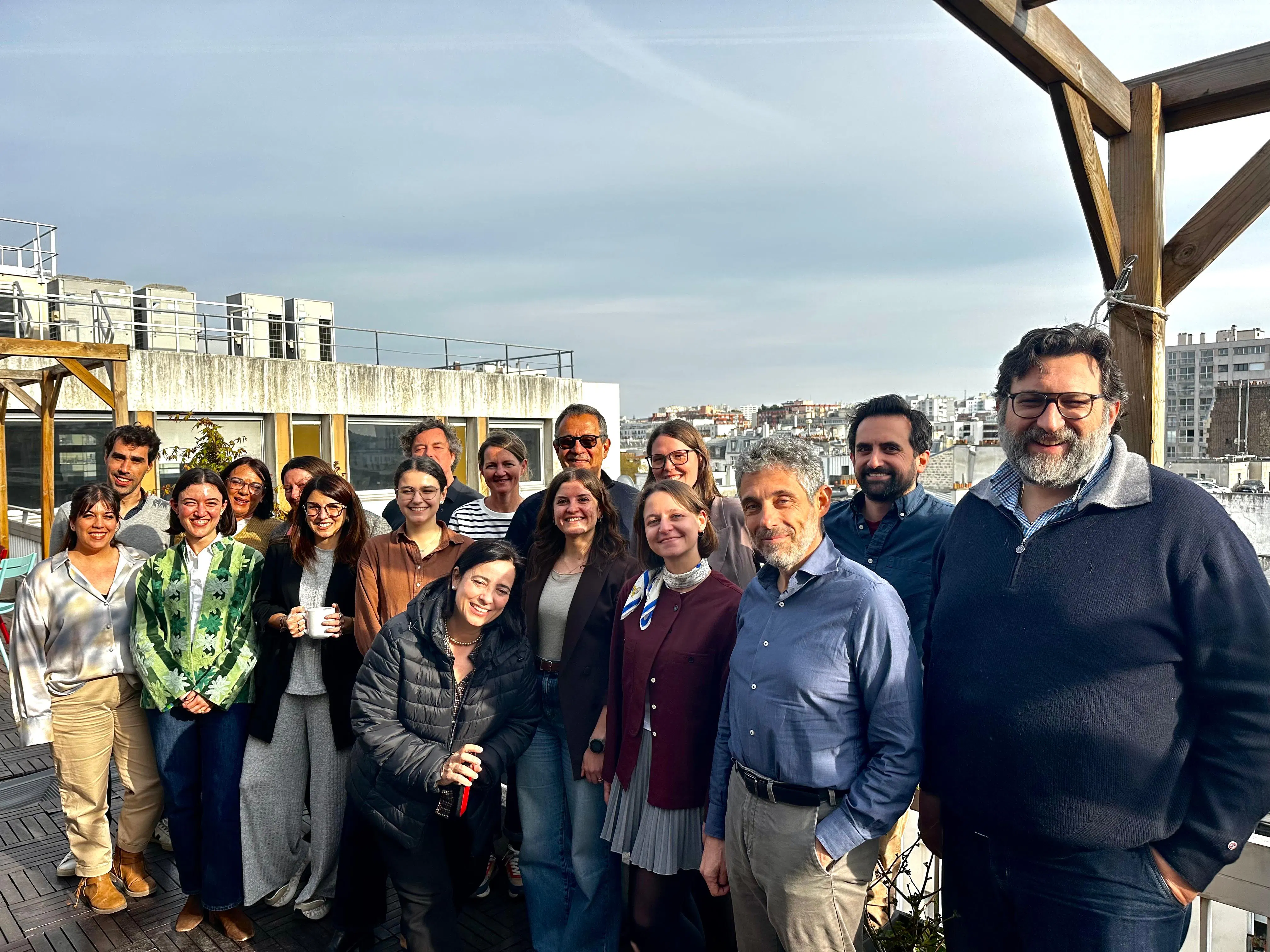
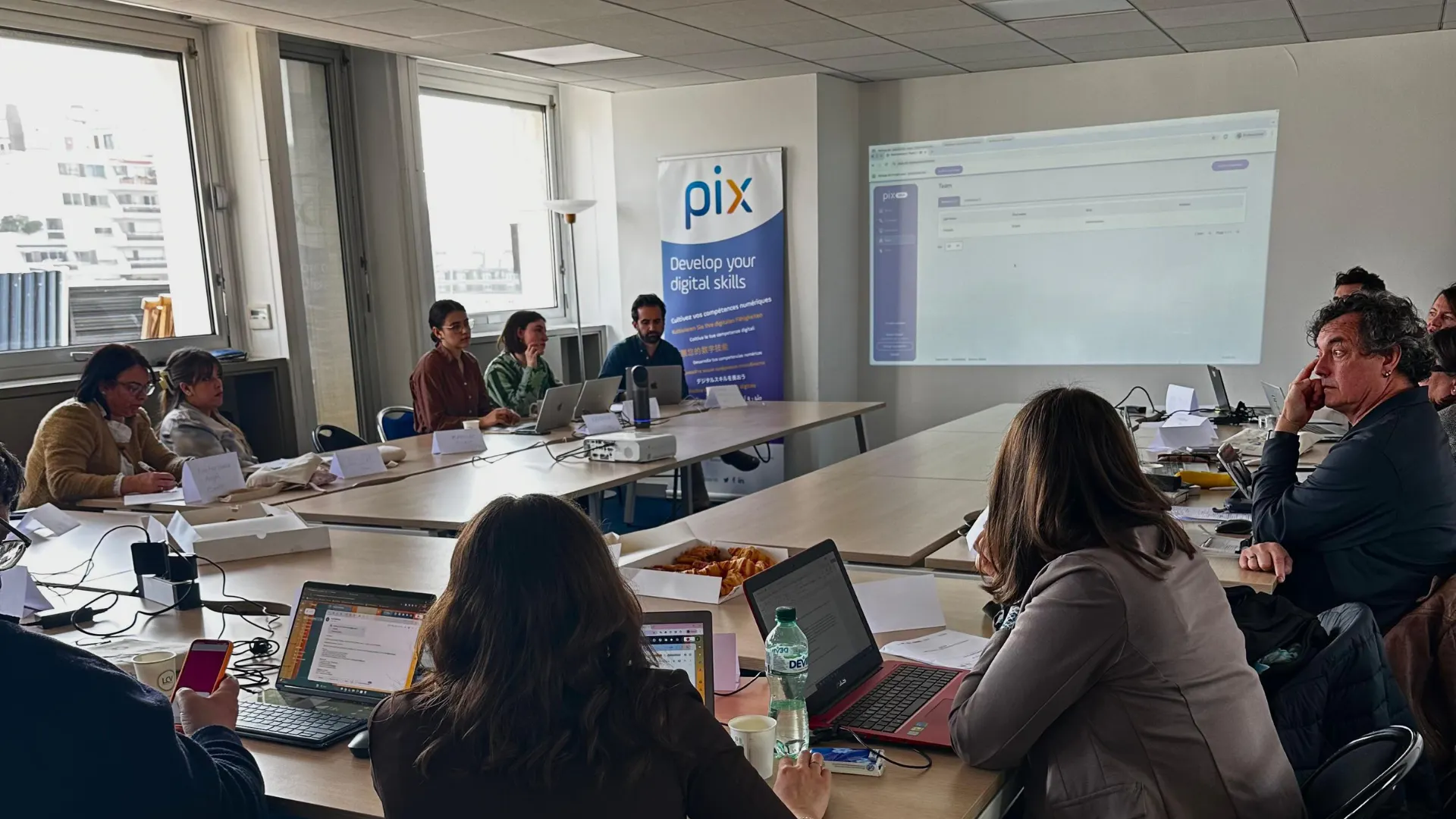
The kick-off meeting of the Erasmus+ project entitled DigiCLASS (Digital Competence Levels Assessment in School Education) was successfully held on March 24th and March 25th at the Pix office in Paris.
Over the course of these two days, partners engaged in strategic discussions and workshops to define the key steps for the project’s implementation. The activities included a hands-on demonstration of the Pix platform, exploring its applications for digital skills assessment in education, and two focused workshops were held to plan the first phase of implementation: one on the translation and contextualization process, and the other on school selection and teacher training.
Running from March 2026 to October 2028, this forward-looking project aims to support the assessment of digital skills in primary and secondary education (including IVET) by adapting and expanding the proven Pix platform across Europe.
The goal is to create a shared and scalable European model for assessing the digital skills of students aged 12 to 19, by adapting and contextualizing the Pix assessment framework, content, and platform to meet the linguistic, cultural, and pedagogical needs of each participating country, and deploying it in 60 pilot schools across Austria, Aragon (Spain), and Italy.
In this way, DigiCLASS contributes to the broader European effort to harmonize and strengthen digital skills in education, fostering a unified approach across nations.
Meet the Partners
The project brings together 7 full partners from 6 EU Member States:
France: GIP Pix (coordinator), a public, non-profit French organisation managing the public service for the assessment, development and certification of digital skills, available on the Pix platform;
Italy: Egina, a VET-accredited private training agency and specialist in the design and implementation of EU projects, with proven experience in digital transformation and teacher training;
Austria: GTN, the main developer of Austria’s eEducation portal, which serves over 4,200 schools of Education network, and consults for German and Austrian ministries on digital competence frameworks;
Spain:
- the Government of Aragon, more specifically the Department of Education, is responsible for the education system in one of Spain’s autonomous communities. It brings direct access to a network of public primary and secondary schools, and operational capacity to coordinatepiloting activities at school level,
- the University San Jorge, a non-profit university, part of the San Valero Education Group, with a dedicated Faculty of Education and a strong focus on pedagogical innovation, ICT integration, and teacher training;
Greece: the Hellenic Open University, Greece’s only national distance-learning university, with over 40,000 students and strong expertise in adult and lifelong learning, and vocational training;
Belgium: All Digital, a pan-European network of 116 member organisations and 25,000 digital competence centres in 32 countries, running major training and certification initiatives.
In addition, 9 associated partners, forming the International Pedagogical Committee, will support the project.
Press contact: presse@pix.fr